Call
Call  Schedule Online
  Contact






Skin biopsies are used to diagnose skin cancer, as well as unusual rashes or skin disease that does not respond to therapy. At Ocean Drive Dermatology in Vero Beach skin biopsies are typically done in office and are relatively painless and completed quickly.

There are two main types of skin biopsies: shave biopsy and punch biopsy.
This is the most common skin biopsy Vero Beach patients receive in our office. This allows us to control the depth and width of the biopsy. We can remove an entire lesion or simply take a small sample of a spot of concern. There are no sutures required.
We utilize this biopsy more with skin rashes than with “spots of concern”. This device has a circular blade that is rotated back and forth through the layers of the skin. This allows us to sample all three layers of the skin from the top down to the fat layer. These punch biopsy tools come in different widths such as 2 mm, 4 mm, 10 mm, etc. Most of the time we utilize a 4 mm punch tool. This type of biopsy typically requires a suture afterwards to close the skin. When utilizing a 4 mm punch biopsy tool generally only one suture is required. Occasionally, if we are using a 2 mm punch biopsy tool we may allow the skin to heal in by itself without any sutures. Larger punch biopsy tools may require more than one suture.

The very first thing that happens is the procedure is explained to you from start to finish and then consent forms are signed. The entire procedure, although it may seem lengthy, takes about 5 minutes.

The spot of concern is marked usually by drawing a circle around it with a surgical marking pen.
Photos are taken of the spot of concern, so we know the exact location.
The area is cleaned with rubbing alcohol.
TIME OUT! This is where we stop for a moment and confirm patient name, DOB, procedure, etc.
Inject lidocaine usually mixed with epinephrine into the spot to be biopsied.
Take a small sample of the spot of concern or remove the entire lesion depending on our goals. We will either use a “Shave Biopsy” or “Punch Biopsy” during this step. That will have been discussed with you prior to the procedure.
If a punch biopsy was used in step #6, we will now put a suture in to close the skin. If a shave biopsy was used in step #6, we will stop the bleeding usually with Drysol.
Finally, the biopsy site is cleaned and then Vaseline and a band-aid applied.
We will call you with your biopsy results when they are available and let you know what the next steps are. If a suture was used, we will schedule an appointment to remove the suture.
Typically, there are three main items to worry about with a biopsy and keep in mind that this is a very low risk procedure.
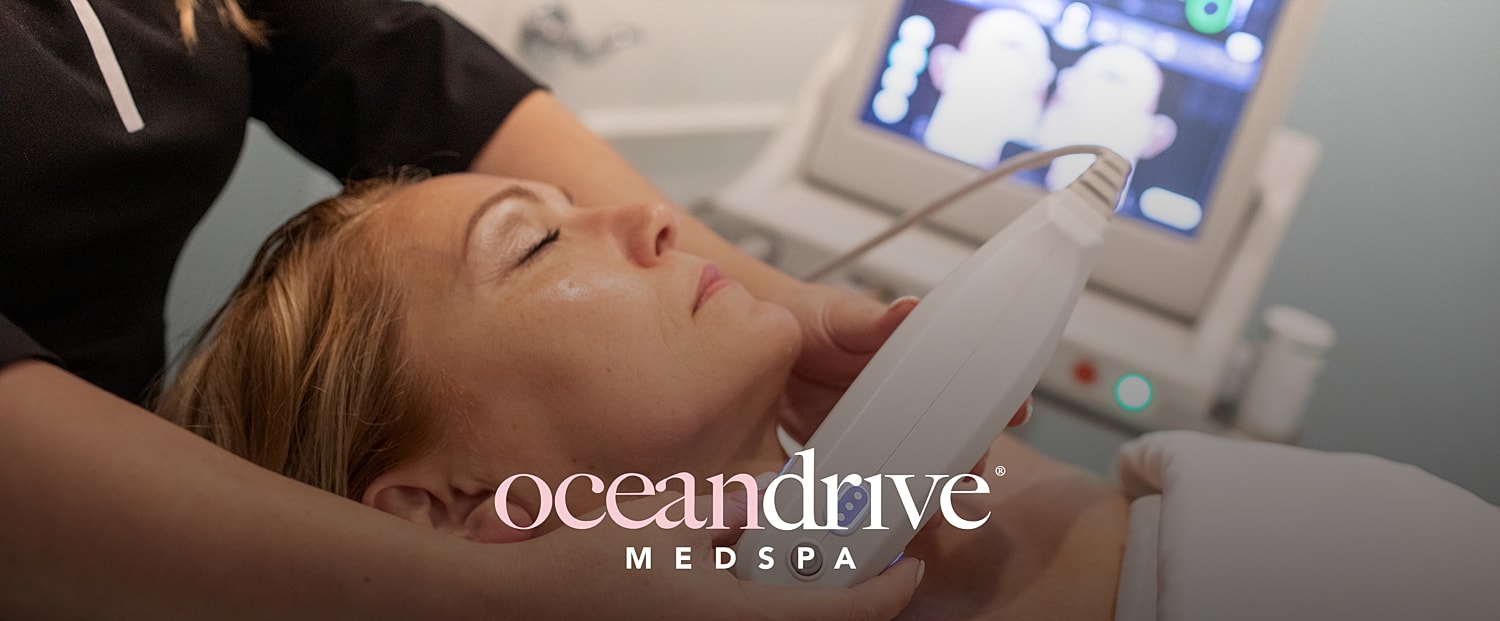
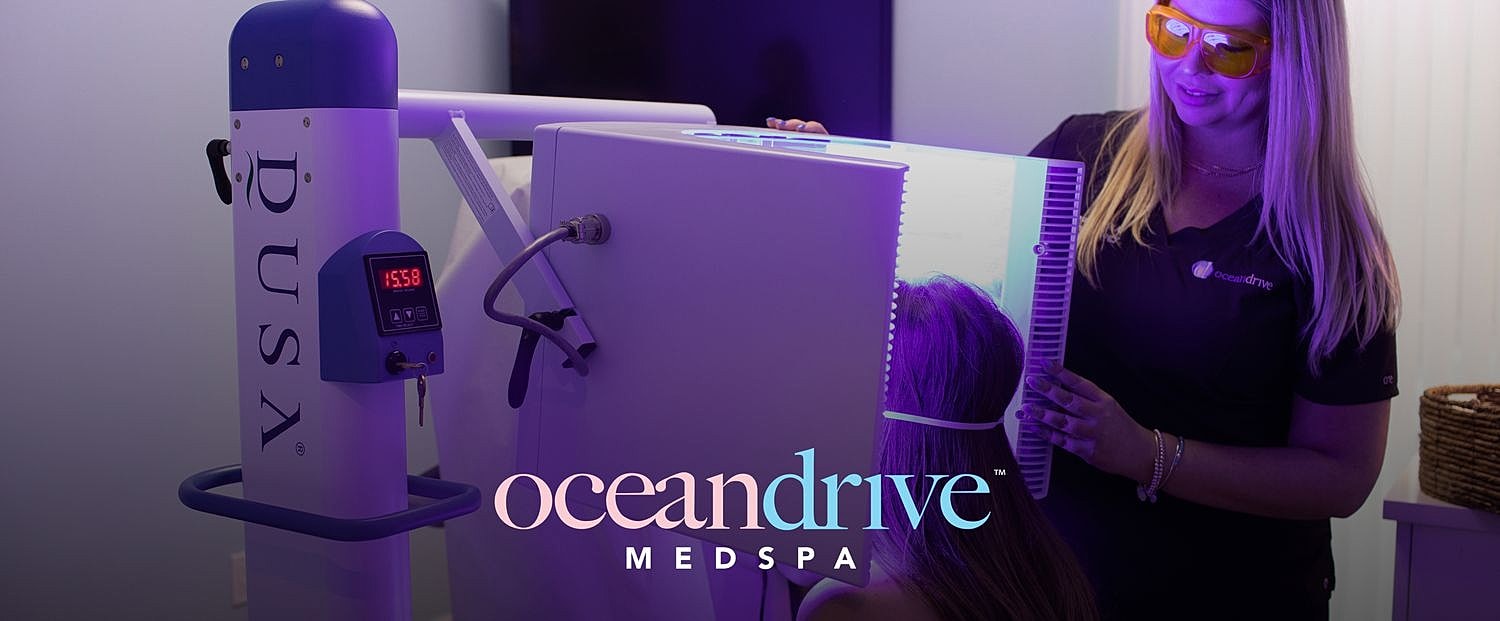
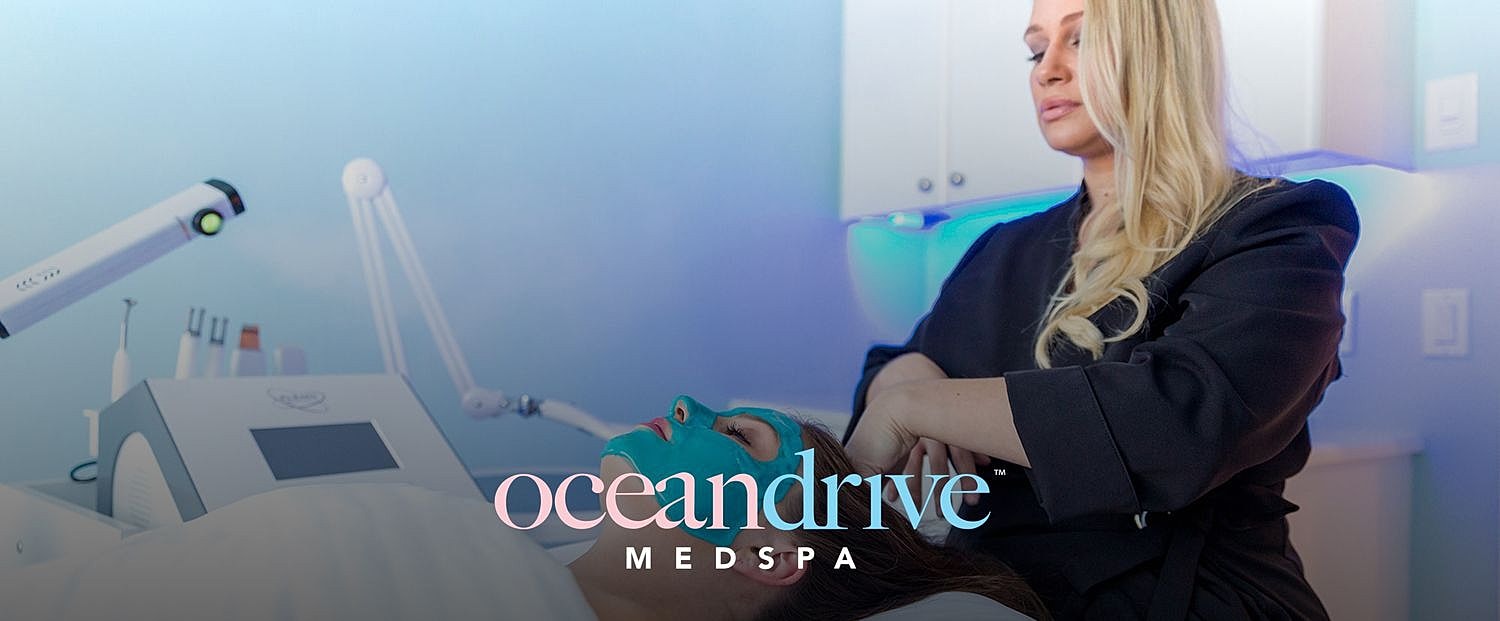

There’s med spas, and then there’s Ocean Drive Med Spa. Led by Dr. Alan Durkin, Ocean Drive Med Spa is well known among industry professionals as a center for innovation.
Pioneering new technologies and treatments, Ocean Drive Med Spa constantly researches new technologies to ensure the best results for its patients. Ocean Drive Med Spa also features one of the largest laser and energy centers in the nation, offering patients treatments with the latest state-of-the-art tools to create incredible aesthetic experiences. Begin yours today with an appointment at Ocean Drive Med Spa.